
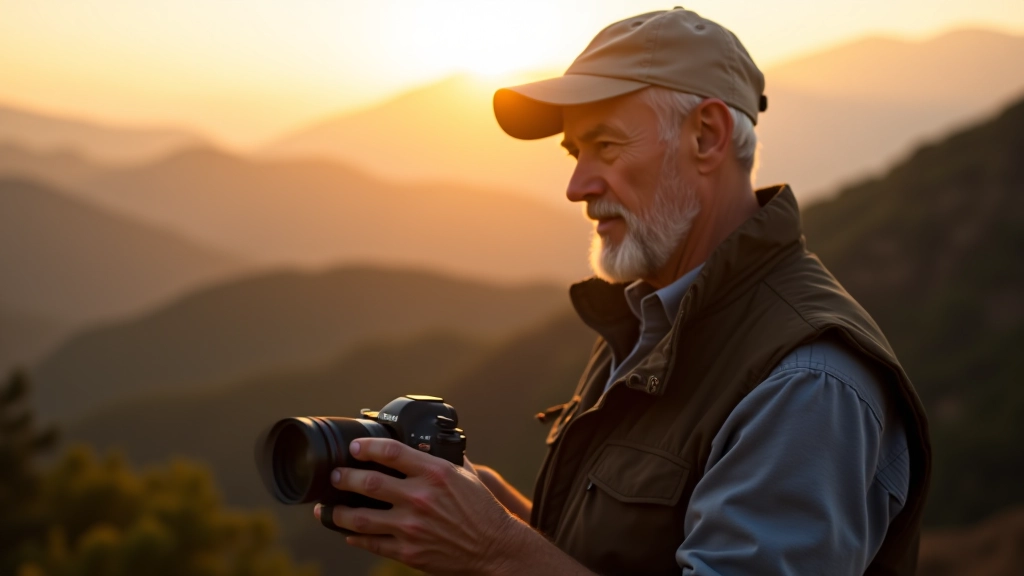
Portrait Photography Workshop Essentials
Master the techniques that transform ordinary portraits into compelling photographs. Learn posing, lighting, and direction strategies you can apply immediately.
Why Portrait Technique Matters
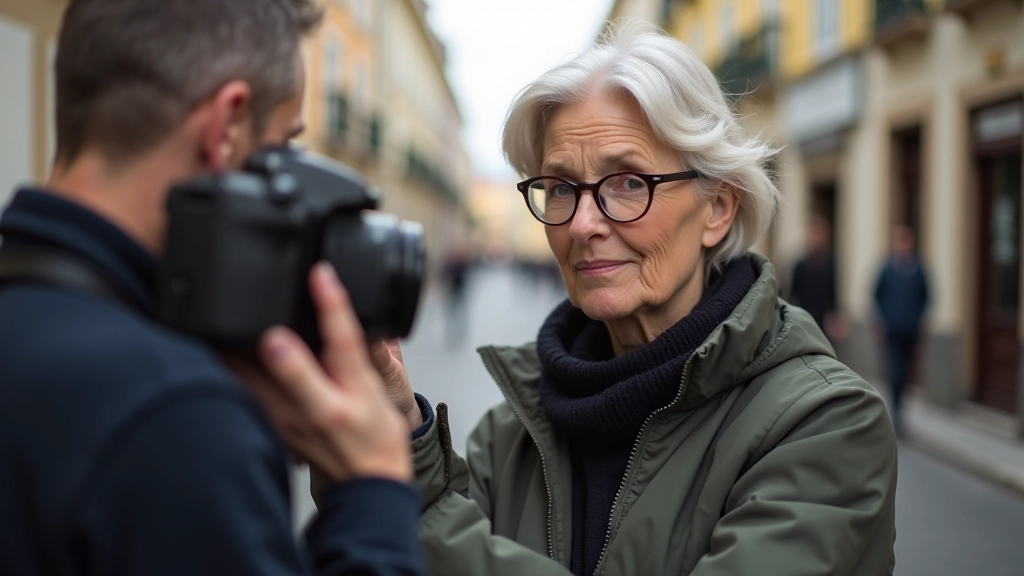
Portrait photography isn't just about pressing the shutter button. It's a conversation between photographer and subject. You're not just capturing a face—you're revealing character, mood, and personality through thoughtful composition and direction.
Whether you're shooting for the first time or refining your craft, understanding the fundamentals makes an enormous difference. The gap between a technically correct portrait and a memorable one comes down to three core areas: how your subject positions themselves, how light sculpts their features, and how you guide them through the session.
This guide walks you through each of these areas with practical techniques you can test immediately. Most photographers see noticeable improvement within 3-4 sessions once they implement these approaches consistently.
Posing: The Foundation
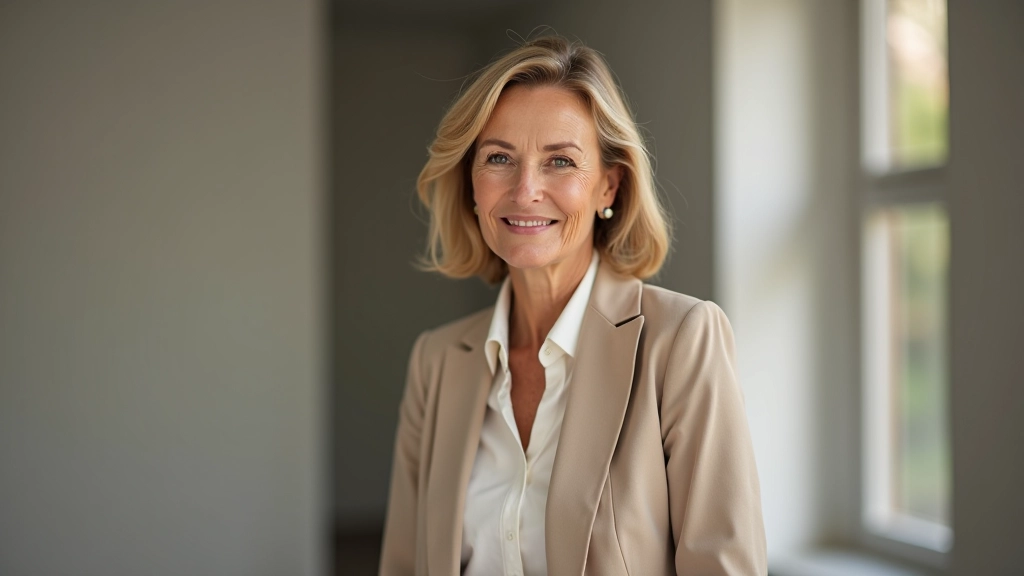
Posing is where most workshops begin. It's the most visible element and honestly, it's where clients feel most self-conscious. Your job is to make people look like themselves—but their best selves.
The 45-degree shoulder turn isn't a rule; it's a starting point. When your subject angles their shoulders away from the camera rather than facing it straight-on, you accomplish three things: you create visual depth, you slim the silhouette naturally, and you show more of their face. It works because it feels natural.
Hands are where people freeze up. Don't ask "what do I do with my hands?" Instead, give them something to do: rest one hand in a pocket, place one hand near their face, cross arms with intention. Occupied hands look relaxed. Empty hands hanging at their sides look awkward—and that tension reads in the photograph.
Key Posing Principles
- Angle shoulders 45 degrees away from camera
- Chin slightly forward and down (prevents double chin)
- Give hands a purpose or place to rest
- Space between arms and torso creates flattering silhouette
- Head tilt toward higher shoulder feels natural
Lighting: Sculpting with Light
Light is your primary tool for flattering portraits. You don't need expensive studio gear—you need to understand how light interacts with faces.
Window light remains the gold standard. It's directional, soft, and free. Position your subject so light comes from one side, creating dimension. This is called short lighting (light on the narrow side of the face) and it's flattering because it sculpts the face rather than flattening it. Most workshops use this setup because it works consistently.
If you're shooting outdoors without studio setup, overcast days are your friend. Direct sun creates harsh shadows under eyes and nose. Clouds act as a giant softbox, diffusing light evenly. Golden hour works beautifully when you position subjects backlit or side-lit—the warm glow feels flattering and adds dimensionality.
Watch for catch lights—those small reflections in the eyes. They make portraits come alive. If you don't see them, you're missing an opportunity. Move your light source or reposition your subject until light reflects in the eyes.

Direction: The Human Element
Technical posing and perfect lighting won't create a memorable portrait if your subject looks uncomfortable or disconnected. This is where direction separates good photographers from great ones.
Start sessions with conversation. Five minutes of chat before shooting dissolves tension. Ask about their day, what they do, what brings them joy. Real emotion comes from genuine engagement, not forced smiles on command.
Give specific direction rather than vague requests. Don't say "look natural." Instead: "Think about something that made you laugh recently," or "Look toward the window and take a deep breath." Specific prompts trigger authentic responses. Generic instruction creates generic portraits.
Provide positive feedback throughout the session. "That's beautiful," "I love that expression," "This is working really well." People respond to encouragement. They relax more and their best self emerges. You're not just taking photos—you're directing a performance where the goal is revealing who they really are.
Putting It Into Practice
01
Plan Your Lighting
Before your session, decide where light comes from. Window light, outdoor location, or studio setup. Scout the location if possible. Understanding your light source lets you position subjects strategically rather than improvising.
02
Start with Fundamentals
Use the 45-degree shoulder turn as your baseline. Position hands with purpose. These aren't rigid rules—they're starting points that work consistently. Once comfortable, experiment with variations.
03
Build Comfort
Spend the first 10-15 minutes of your session talking, not shooting. Get to know your subject. This investment in rapport pays off immediately in more relaxed, genuine expressions.
04
Give Specific Direction
Replace vague requests with specific prompts. "Think about a happy memory" works better than "smile naturally." Specificity triggers authentic emotional responses.
05
Provide Feedback
Share positive observations during the session. Show subjects images on your camera back. This encourages them to open up and perform better as the session progresses.
06
Review and Iterate
After each session, review your images critically. What worked? What fell flat? Document your setup—lighting angle, distance, focal length. Build a personal reference system.
"The best portrait isn't about technical perfection. It's about capturing the moment when someone forgets the camera is there and just exists. Everything else—posing, lighting, direction—that's just the framework that makes that moment possible."
— Workshop principle from Portugal's leading photography groups
Key Takeaways
Portrait photography combines technique with human connection. Master posing fundamentals—the 45-degree shoulder angle, purposeful hand placement, proper chin positioning. Understand how light sculpts faces and creates dimension. But remember that technical excellence means nothing without genuine direction that puts subjects at ease.
These aren't secrets or shortcuts. They're time-tested approaches used by professional photographers worldwide. The difference between your first portrait and your fiftieth isn't talent—it's practice and intentional application of these principles.
Start with one aspect. Maybe this month you focus on improving your posing direction. Next month, you refine your lighting approach. Gradually, these elements become second nature. You'll stop thinking about technique and start focusing on connection—and that's when your portraits truly elevate.
Ready to apply these techniques? Join a local photography workshop or practice with friends willing to sit for portraits. The real learning happens when you actually pick up the camera and work with real people in real light.
Related Articles

About This Guide
This article presents foundational portrait photography techniques based on widely-used professional practices. Portrait photography involves subjective artistic choices—what works beautifully for one photographer or subject may differ for another. These guidelines are educational and intended to enhance your understanding and practice. Individual results vary based on skill level, equipment, and specific circumstances. We encourage you to experiment, take courses, and learn from experienced mentors in your local photography community. Portrait subjects should always feel comfortable and respected throughout any photography session.