Getting Started with Landscape Photography
Master composition, lighting, and timing. We cover the three biggest mistakes beginners make and how to avoid them from your first shoot.
Why Landscape Photography Matters
Landscape photography isn't about owning fancy gear. It's about seeing. When you're standing in front of a mountain ridge at dawn, or watching light paint across a coastline, you're not just taking pictures — you're learning to observe the world differently. That's what draws people to our photography walks here in Portugal.
Whether you've got a smartphone or a DSLR, the principles stay the same. Composition. Light. Timing. These three elements separate a snapshot from a photograph. And the good news? You can learn all of them in your first few outings. We've been running landscape photography groups since 2019, and we've seen beginners create stunning work within weeks. It takes practice, but it's absolutely doable.
Composition: Your Foundation
Here's the thing about composition — it's not magic. It's rules. And once you know the rules, you can actually break them intentionally instead of accidentally.
The fundamentals you'll use constantly:
- Rule of thirds: Imagine your frame divided into nine squares. Put your horizon on one of those lines, not in the middle. It's weird at first, but you'll see why it works.
- Leading lines: Rivers, roads, fence lines — anything that draws the eye into your photo. Use them to guide people where you want them to look.
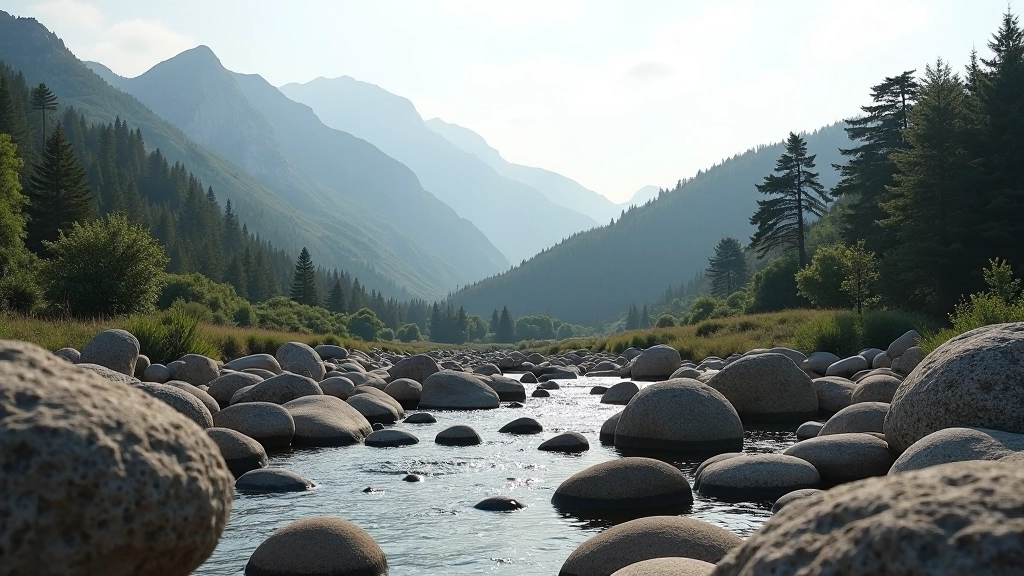
- Foreground, middle ground, background: Three layers give depth. Include something close, something mid-distance, something far. Instantly more interesting.
- Negative space: Don't fill every corner. Sometimes what you leave out matters more than what you include.
Practice this: Next time you're out, take the same shot three different ways. One with the horizon in the middle (you'll probably hate it). One high in the frame. One low. Compare them. You'll immediately understand why composition matters.
Lighting: The Magic Ingredient
If composition is the skeleton, light is the soul. Bad light makes great compositions forgettable. Good light makes ordinary scenes sing.
The golden hours exist for a reason
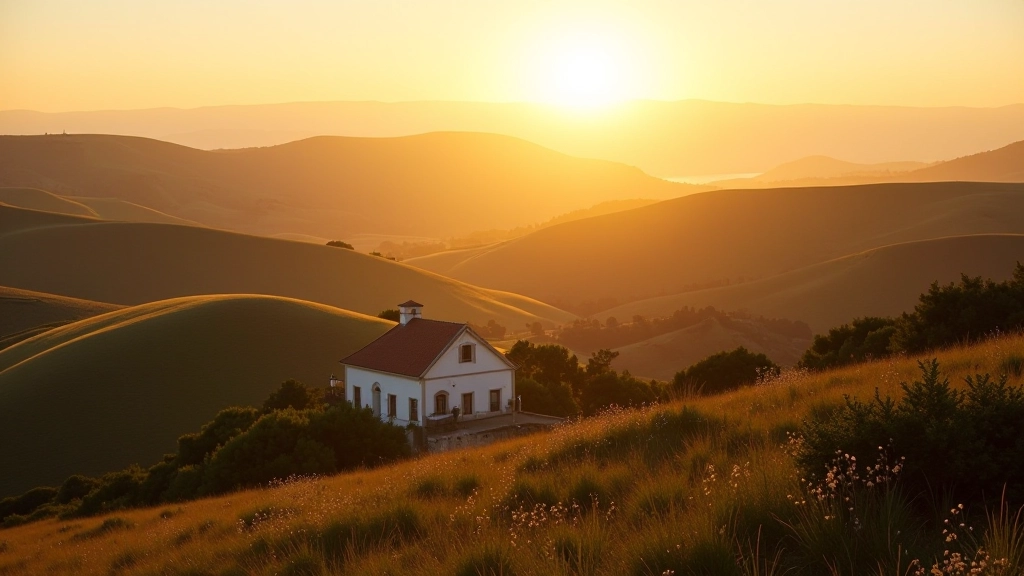
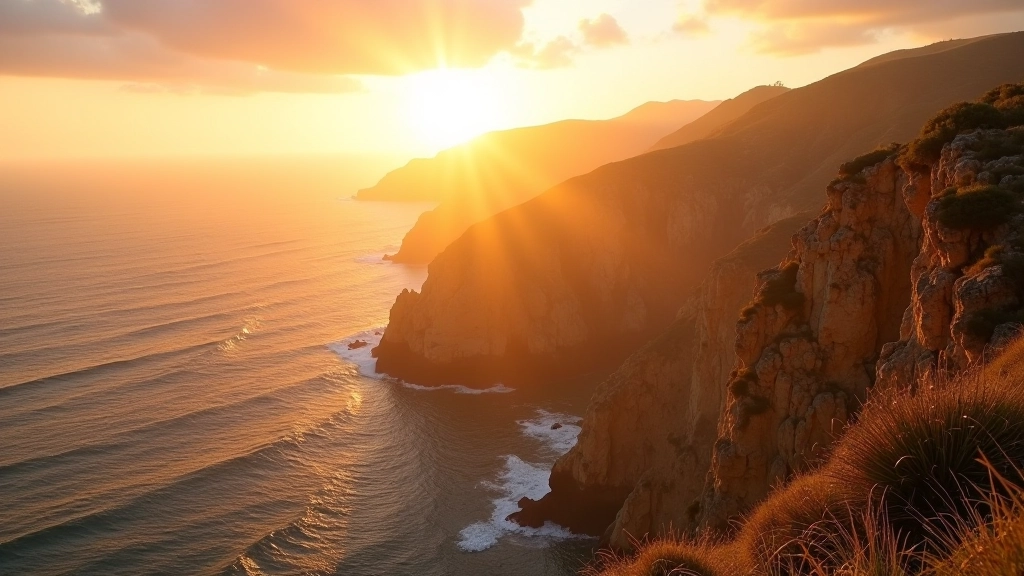
The hour after sunrise and the hour before sunset — that's when the sun sits low and warm. Everything glows. Shadows get long and interesting. If you only remember one thing from this guide, remember this: shoot during golden hour when you're starting out. It'll make everything look better.
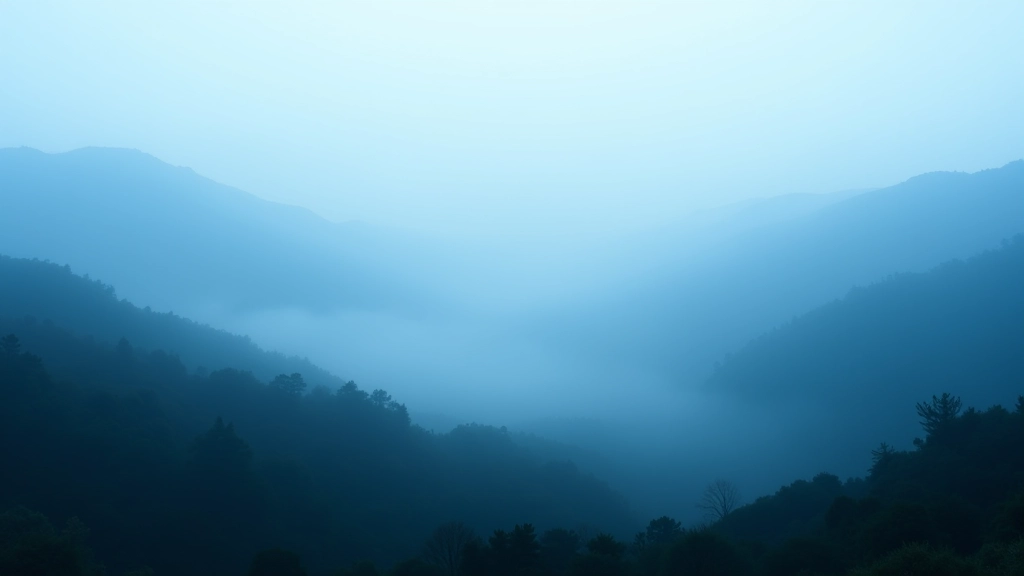
Hard midday sun? Avoid it. Overcast days? They're actually perfect for soft, even light — great for forests or detailed landscapes. Dramatic storms rolling in? That's when the light gets really interesting. You don't need perfect conditions. You need to understand how light behaves in the conditions you have.
Here's what we tell people on our photography walks: arrive early, stay late. You'll see the light change completely. And you'll start to understand why timing matters as much as composition.
Timing: When You Press the Shutter
Timing isn't just about what hour you shoot. It's about the specific moment. Clouds move. Light changes. Water ripples. That's the difference between a decent shot and one that makes people stop and look.
Three mistakes we see constantly:
Mistake 1
Shooting too fast: You arrive at a location, take three shots, and leave. Give it time. Watch how the light moves across the landscape. You'll notice changes you'd have missed otherwise. Patience isn't boring — it's how you find the good light.
Mistake 2
Ignoring the weather: Dark clouds coming in? Perfect. They create drama and filter light beautifully. Clear blue sky everywhere? That's actually harder to work with than you'd think. Learn to see what the weather gives you instead of waiting for "perfect" conditions.
Mistake 3
Not moving your position: The best landscape photographers aren't looking for new locations — they're looking at the same location from 10 different angles. Walk left. Walk right. Crouch down. Climb higher. Everything changes. That's where the real shot lives.
Getting Started: Your First Week
You don't need permission or perfect gear. You need to get outside and shoot.
01
Choose a familiar location
Don't overthink this. A park near your home. A coastline you know. Somewhere you can return to multiple times. Familiarity lets you focus on light and composition instead of scouting.
02
Go at sunrise or sunset
Not optional. The light is the entire point. Yes, you'll need to wake up early or stay out late. That's part of the process. You're not just taking photos — you're learning to see light the way photographers do.
03
Take at least 50 shots
Different angles, different compositions, different framings. One great shot out of 50 is actually a good ratio when you're starting. You're training your eye. The quantity teaches you what works.
04
Study your best three
Look at your best shots. Why do they work? Was it the composition? The light? The moment? Can you identify what made them stand out? That's learning. Do this after every outing and you'll improve fast.
Learn With Others
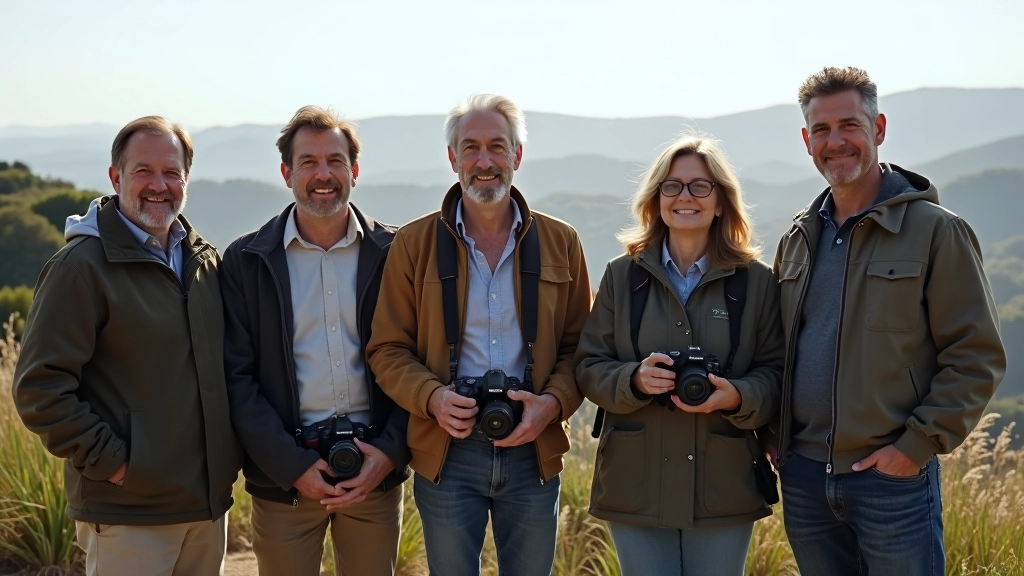
You can absolutely teach yourself landscape photography. But you'll learn faster — and have way more fun — shooting with other people. That's why we run landscape photography walks every month across Portugal.
You'll meet people who share your curiosity. You'll visit locations you might not discover alone. You'll see how different photographers approach the same scene. And you'll get feedback from experienced shooters who'll help you improve your eye faster than you could alone.
Most of our group members are 40-60, many picking up photography for the first time. No experience required. Just bring a camera — phone, compact, DSLR, whatever you've got — and show up ready to learn.
A Note on Equipment
This guide covers composition, light, and timing — the fundamentals. These principles work with any camera. You don't need the most expensive gear to create compelling landscape photographs. In fact, most of the photographers we work with started with simple equipment and learned the basics first. Once you understand how light and composition work, upgrading your camera becomes optional rather than urgent. Focus on developing your eye before worrying about your kit.